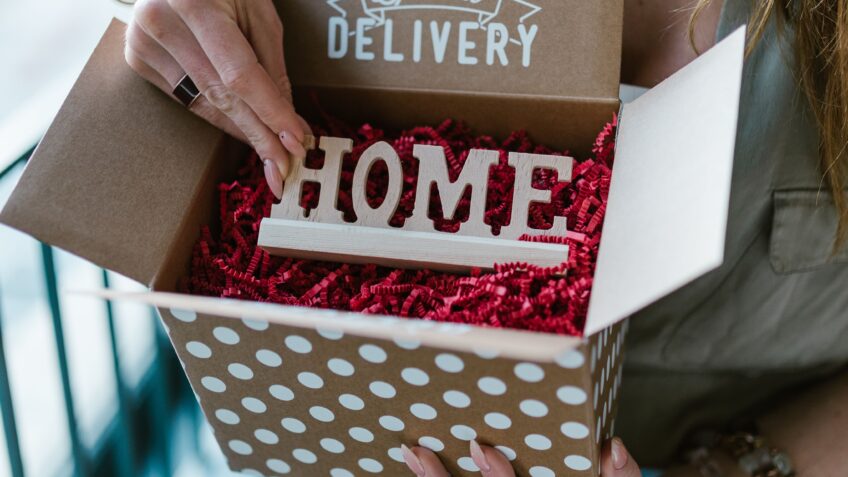
Subscription boxes promise curated discovery delivered to your door for a recurring monthly fee. It’s an appealing pitch — someone else does the selecting, and a little surprise shows up each month. But whether a subscription box is actually a good deal depends heavily on the category, the specific box, and, most of all, your own usage habits. Some are genuinely worth it; plenty are not.
| Question | Why It Matters |
|---|---|
| What’s the per-item value if I bought these separately? | Reveals whether the box price actually reflects a real discount or just convenience |
| Will I realistically use everything inside? | Unused items erase any savings, no matter how good the box’s advertised value looks |
| Can I pause, skip, or cancel easily? | Flexibility matters as your needs and interest change month to month |
| Is the curation actually tailored to me? | Personalized boxes tend to deliver more usable items than generic ones |
Consumable categories are where subscription boxes make the most sense — coffee, snacks, pet treats, or household supplies you’d be buying regularly anyway. Here there’s little risk of “not using” something, because the box is simply automating a purchase you’d already make. If the per-item price is competitive, the box adds convenience on top of a purchase that made sense to begin with.
Beauty, lifestyle, and “surprise” boxes built around discovery often lead to a drawer slowly filling with unused products. The problem isn’t the quality of the items; it’s that personal preference is genuinely hard for a curator to predict. A shade that doesn’t suit you, a scent you don’t like, or a gadget you don’t need all count as full-price items that quietly erode the box’s value, even when the box’s “total retail value” number looks impressive on paper.
Many boxes advertise a total retail value far higher than their price — “$120 of products for $35.” It’s worth treating that number skeptically. It only holds up if you’d have genuinely paid full retail for every item, and if you’ll actually use them all. A box stuffed with things you’d never have bought isn’t a bargain; it’s a discounted pile of clutter. The honest value of a box is the retail price of only the items you’ll truly use.
Rather than committing to an annual plan to unlock the lowest per-month price, try a single month first whenever possible. One month reveals a lot about whether a box’s curation actually matches your taste, without locking in a full year of cost. If the first box impresses you and you use most of it, then a longer commitment starts to make sense. If it doesn’t, you’ve spent one month’s fee learning that instead of twelve.
The best-case scenario is simple: a subscription box works when it replaces a purchase you were already going to make regularly, at a price that’s competitive, delivered more conveniently than shopping for it yourself. Coffee for a daily drinker, treats for a pet, or refills for something you use constantly all fit this mold well.
Subscription boxes work best as automated convenience for things you already consume, and worst as a source of “surprise” discovery, where mismatched taste quietly cancels out the savings. Before subscribing, be honest about which of those two situations you’re actually in — that single distinction predicts whether a box will feel like a great deal or a monthly reminder to finally cancel.
 Subscription Box Shopping: Which Ones Are Actually Worth the Money?
October 14, 2026
 Boot Season Is Here: Finding Quality Boots Without the Markup
October 13, 2026