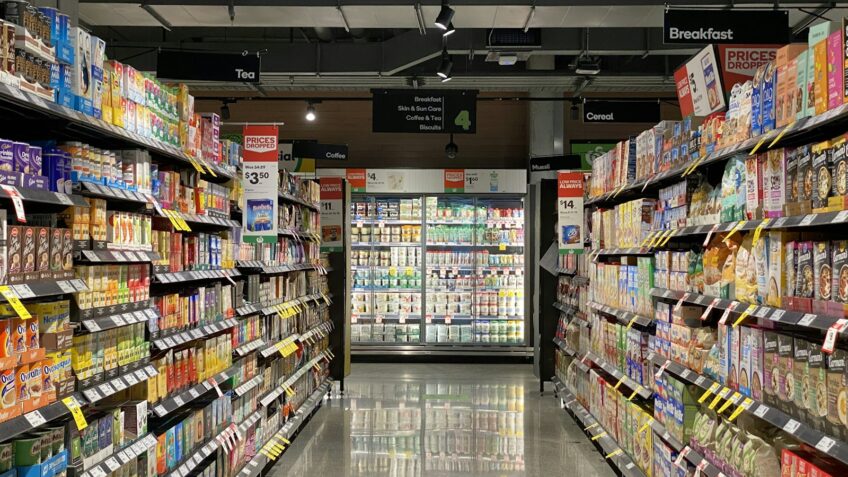
Store brands have improved dramatically over the last decade, to the point where dismissing them outright no longer makes financial sense. But the reverse assumption — that generic is always the smarter buy — isn’t quite right either. Sometimes the cheaper box on the shelf ends up costing more once you account for how it actually performs.
For staple goods with simple, standardized ingredient lists — think flour, sugar, canned vegetables, spices, or basic cleaning products — store brands are frequently manufactured in the very same factories as the name-brand version, just packaged under a different label. In these cases, the savings are close to free money, since there’s little to no meaningful difference in quality.
| Category | Why It’s Different |
|---|---|
| Medications | Dosage consistency and formulation can matter more than the price difference suggests |
| Batteries and electronics accessories | Lower-quality cells and components can fail sooner, erasing the initial savings |
| Diapers and baby care items | Fit and absorbency differences can lead to waste, which offsets the lower sticker price |
| Tools and hardware | Cheaper materials may not hold up under repeated or heavy use |
A store-brand product that underperforms — a dull razor that needs replacing twice as often, a trash bag that tears, a detergent that requires double the recommended amount to work — can end up costing more per use than the name brand it was meant to replace. Price per unit only tells part of the story; price per satisfactory use tells the rest.
Before swapping to save a dollar or two, it helps to ask a straightforward question: does this product’s performance actually matter for how I’m going to use it? If the honest answer is no, the store brand is almost always the better financial decision. If the answer is yes — because failure would be costly, inconvenient, or even risky — paying more for a brand with a consistent track record is usually money well spent.
Neither option deserves a blanket rule. The smartest carts tend to mix both, saving aggressively on categories where quality differences barely register, while spending a little more on the handful of items where those differences genuinely show up.
 Browser Extensions That Actually Save You Money: A Real Shopper’s Guide
September 8, 2026
 Labor Day Doorbusters: Live Deals You Can Still Grab Today
September 7, 2026